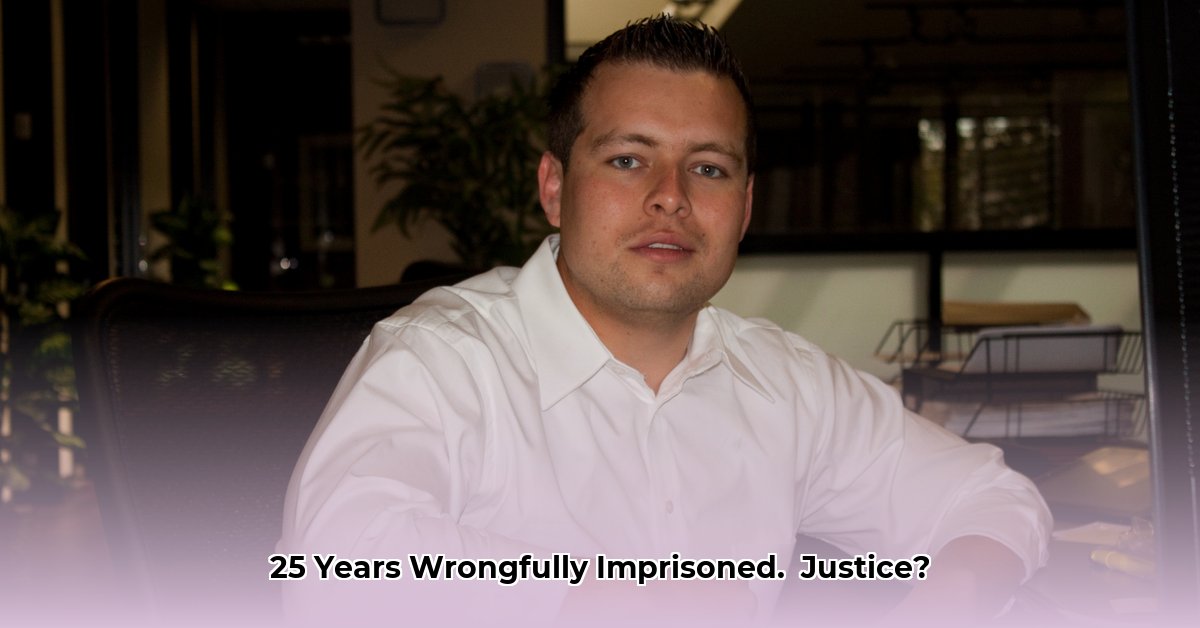
The Crushing Weight of Injustice: Miguel Solorio's Story
Miguel Solorio's life was irrevocably altered by a wrongful conviction, a stark illustration of systemic failures within the criminal justice system. Imprisoned for 25 years based on flawed eyewitness testimony, his exoneration highlights the urgent need for reform. This article examines the details of his case, the profound impact of his wrongful imprisonment, and the crucial steps needed to prevent similar tragedies. While his net worth is a relevant aspect of his recovery, it pales in comparison to the overarching narrative of injustice and the fight for systemic change.
A Case Built on Shaky Ground: Flawed Investigation and Eyewitness Testimony
Solorio's conviction rested heavily on eyewitness identification, a notoriously unreliable form of evidence. The lineup procedures employed were susceptible to bias, increasing the likelihood of misidentification. This wasn't an isolated incident; it reveals a critical weakness in the investigative process, one that has tragically ensnared countless innocent individuals. The lack of thorough investigation, potentially driven by "tunnel vision"— investigators' fixation on a suspect before fully exploring all leads—further compounded the error. How many other cases have suffered from similar deficiencies?
The Ripple Effect: Personal and Societal Costs of Wrongful Conviction
The consequences of Solorio's wrongful conviction extended far beyond his individual suffering. His family endured years of financial hardship and emotional turmoil, grappling with the uncertainty of his fate. Beyond the personal toll, the case exposed broader societal issues. It eroded public trust in law enforcement, highlighting the need for transparency and accountability in the criminal justice system. This lack of trust directly impacts community relations, necessitating a renewed focus on building bridges between law enforcement and the populations they serve.
Addressing the Financial Aftermath: A Delicate Balance
While the specifics of Miguel Solorio's current net worth remain private, it's undeniable that 25 years of wrongful imprisonment have resulted in significant financial losses. Lost wages, legal expenses, and the emotional toll all contribute to a complex financial picture. The pursuit of compensation is not only a matter of financial recovery but a recognition of the profound injustice he suffered. How can we ensure adequate compensation for victims of wrongful convictions and support their long-term well-being?
The Path Forward: Actionable Steps for Systemic Reform
Solorio's story is a call to action. Significant reforms are needed to prevent future miscarriages of justice:
Improved Eyewitness Identification Procedures: Implement blind and sequential lineups, video recording of identifications, and training on minimizing suggestive questioning techniques. Studies show that these measures significantly reduce the risk of misidentification.
Comprehensive Investigative Training: Law enforcement agencies must adopt protocols that emphasize thoroughness, objectivity, and awareness of cognitive biases to prevent tunnel vision. A comprehensive training program should address these issues directly.
Legislative Reforms: Laws mandating compensation for wrongful convictions and establishing independent review boards to examine past cases are crucial. Legislation needs to reflect the severity of the problem and offer tangible solutions.
Increased Public Awareness: Education about the fallibility of eyewitness testimony and the importance of due process is necessary to promote informed public discourse and demand accountability from the justice system. Public awareness campaigns can create meaningful impact, holding authorities responsible.
Miguel Solorio’s case serves as a grim reminder that systemic reform is not just desirable; it's essential. His story transcends the question of his net worth; it's a powerful symbol of the ongoing fight for justice and a call to action for a fairer and more equitable criminal justice system.